
For homeowners throughout Georgia’s Lake Country, it is natural to wonder whether the constant weather changes, heavy rainstorms, and seasonal humidity can harm a heating and cooling system over time. Living near Lake Oconee and the surrounding communities means your outdoor HVAC equipment is exposed to everything from soft spring rain to intense summer thunderstorms. In neighborhoods like Reynolds Lake Oconee, The Landing, Cuscowilla, Harbor Club, and the many lakefront streets between Greensboro and Eatonton, homeowners often ask whether their AC unit or heat pump can deteriorate simply from being outside in the rain.The short answer is that rain itself typically does not damage a heating and cooling system. Outdoor units are intentionally constructed to withstand years of weather, including rain, sleet, wind, and even hail. However, there are still situations where prolonged moisture exposure, pooling water, flying debris, and electrical stress can create long term issues. Understanding these risks helps you protect your investment and avoid unnecessary repairs.
At Patterson Heating and Air Conditioning, we believe homeowners deserve clear, practical, and local guidance. Below is a complete explanation of how rain interacts with your HVAC system, what is normal, what is not, and how to prevent water related problems before they become costly.
Why Rain Typically Does Not Harm a Modern HVAC System
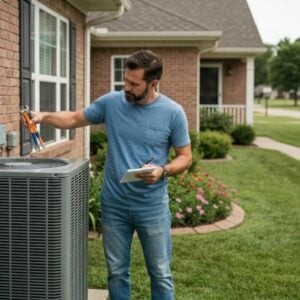
Outdoor units are engineered to remain functional in all types of weather. Rainwater runs off the metal housing, and the internal components are shielded behind protective covers. Many homeowners reach out to us through our air conditioning services page to ask whether rain exposure alone can shorten the system’s life. The answer is usually no, because the condenser coil, fan motor, and electrical elements are secured so they do not come into direct contact with harmful levels of moisture.
Rain can sometimes provide a minor cleaning effect because it helps wash away dust, pollen, or dirt that might otherwise accumulate on the coil. This natural rinse can temporarily improve airflow and heat transfer performance.
Even with this built in protection, homeowners should still pay attention to how storms affect their system. While rain itself is normally harmless, the conditions that come with rain can weaken performance or shorten the lifespan of an HVAC system over time.
How Rain Can Create Long Term Problems for Heating and Cooling Systems
While a properly installed unit handles moisture very well, long periods of rain can introduce indirect problems. These issues are more likely in wet and humid areas such as Lake Oconee where sudden rainfall and wind can produce complications that are not immediately obvious.
Below are the most common ways rain can impact your heating and cooling system over the years.
Corrosion and Rust from Prolonged Moisture Exposure
Rainwater itself usually slides off the metal cabinet, but long term exposure to moisture can gradually form rust on the condenser coil, fan blade assembly, the mounting brackets, screws, and even the outer panels. Georgia’s humidity accelerates rust formation because moisture lingers in the air long after the rain stops.
Rust often begins as a small spot that most people never notice. Over time it can weaken the metal, interfere with airflow, and reduce efficiency. If corrosion reaches the coil, the system may lose refrigerant or struggle to cool properly. Technicians performing HVAC system maintenance often find early corrosion during inspections long before a homeowner is aware of it.
Routine inspections allow a trained eye to spot corrosion early and apply protective coatings before rust spreads.
Water Pooling Around the System After Heavy Rainfall
Although rain falling onto the unit is not a threat, water collecting around the base is one of the most damaging long term problems a homeowner can face. Outdoor condensers and heat pumps sit on a pad that keeps the system elevated. If water pools around the pad for long periods, it can damage electrical components located near the bottom of the system.
Flooding is more common in low areas around Lake Oconee or properties near natural drainage paths and sloped lots. If water rises several inches above the base, internal components can become saturated and short out. Homeowners should never attempt to operate a flooded system. Turning it off and contacting a professional is the safest plan.
Storm Debris Being Pulled Into the Outdoor Unit
Rain rarely arrives without wind. Strong gusts can blow leaves, pine needles, loose branches, grass clippings, and dirt into the condenser fan opening. Once inside, debris can obstruct the fan blade, clog the condenser coil, and reduce system airflow.
This reduced airflow forces the system to work harder. It may overheat, ice up, or short cycle. Severe debris buildup can lead to compressor failure, which is one of the most expensive HVAC repairs.
Keeping at least two to three feet of clearance around the outdoor unit prevents most debris related issues.
Electrical Components Becoming Weakened by Moisture Over Time
Electrical wiring is protected inside the unit, but extended moisture exposure can weaken insulation and cause corrosion at connection points. Condensation can form inside the cabinet due to warm humid air during seasonal temperature swings.
Moisture damaged electrical components may cause:
- Intermittent system shutoffs
- Difficulty starting the compressor
- Burning or scorched smells
- Frequent breaker trips
- Unresponsive thermostat behavior
If any of these symptoms appear after a storm, professional inspection is recommended.
How Rain Affects Heat Pumps and Furnaces Specifically
Homeowners in the Lake Country region often rely on heat pumps due to mild winters. Heat pumps perform well in rainy conditions but can still experience the same moisture related problems described above.
Heat Pumps
Heat pumps are designed for outdoor operation year round. Rain does not harm them, but flooding, debris blockages, and icing can reduce effectiveness and put strain on internal components.
Gas Furnaces
Indoor furnaces are not exposed to outdoor rain. However, their outdoor vent and flue components can be impacted by driving wind and rain. Water entering a damaged flue pipe may interfere with ignition or proper venting.
If a homeowner notices unusual sounds or inconsistent heating after a storm, a vent inspection may be needed.
Signs That Rain May Already Be Affecting Your HVAC System
Even though most systems handle weather well, it is important to watch for symptoms that indicate moisture related damage. These issues often develop gradually and may only appear after repeated storms.
Common warning signs include:
- Weak airflow inside the home
- Grinding, rattling, or buzzing noises
- Unusual increases in energy bills
- Water pooling around the condenser
- Short cycling or rapid on off behavior
- Declining cooling or heating performance
- Fan blades that appear rusted or unbalanced
Any of these signs could suggest deeper moisture issues.
Practical Steps Homeowners Can Take to Protect Their System During Rainy Seasons
While homeowners cannot control weather, certain habits significantly reduce the chance of rain related HVAC damage.
Keep the Area Around the Unit Clear
Maintain proper airflow by removing leaves, trimming shrubs, and keeping branches and grass clippings away from the unit.
Do Not Cover the Unit During Normal Rain
Covers trap moisture and encourage corrosion. They should only be used when a system is completely turned off for seasonal storage.
Inspect Drainage Around the Unit
If water consistently pools in a certain area, improving grading or adding a drain trench can protect the system from future flooding.
Elevate the Unit When Needed
Homes near the waterline or slopes may benefit from raising the unit on a higher pad.
Schedule Regular Professional Maintenance
Routine service from a trusted local provider helps identify moisture problems before they escalate. Many homeowners schedule maintenance by using the contact page to request a visit.
After a Heavy Storm: How to Tell if Your HVAC System Needs Attention
Not all storm issues are immediately visible. After heavy rainfall, homeowners should observe the system and its surroundings.
Look for:
- Standing water around the base
- Bent or damaged fan blades
- Visible debris inside the coil
- New or unusual noises
- Delayed startup
- Odd temperature changes indoors
If anything seems off, turning off the system and requesting an inspection is the safest option.
Why Local Expertise Matters for Rain Related HVAC Issues
Homes around Lake Oconee experience a unique mix of humidity, sudden rainstorms, and temperature swings. Systems in this region operate year round, meaning moisture can build up over time.
Patterson Heating and Air Conditioning understands the specific weather patterns of the Lake Country area and how they impact system performance. This experience helps us diagnose issues faster and more accurately than a company unfamiliar with local conditions.
When to Call Patterson Heating and Air Conditioning for Service
If any signs of rain related HVAC damage appear, contacting a professional as early as possible prevents long term issues.
Call for service if you notice:
- Water pooling near the system
- Sudden loss of cooling or heating after rain
- Burning smells or electrical odors
- Whistling, banging, or grinding noises
- Rapid cycling
- Visible rust or deterioration
- Indoor temperature fluctuations
Homeowners frequently use the contact page to schedule fast service when storms cause disruptions.
Final Thoughts: Does Rain Damage HVAC Systems Over Time
Rain alone generally does not harm a heating and cooling system. Modern outdoor units are built to withstand weather. The concern comes from debris, standing water, electrical moisture, and corrosion. With proper maintenance and awareness, most of these issues can be prevented entirely.
For homeowners in Georgia’s Lake Country, routine inspections and fast attention to storm related problems are essential. Patterson Heating and Air Conditioning is ready to help you protect your HVAC system through every season.